
Bol Marjolijn
Bol Marjolijn - The Varnish And The Glaze Painting Splendor With Oil 1100 1500 - Hardcover
Bol Marjolijn - The Varnish And The Glaze Painting Splendor With Oil 1100 1500 - Hardcover
Books
Regular price
$56.62 USD
Regular price
Sale price
$56.62 USD
Unit price
per
Shipping calculated at checkout.
Couldn't load pickup availability
Binding: Hardcover
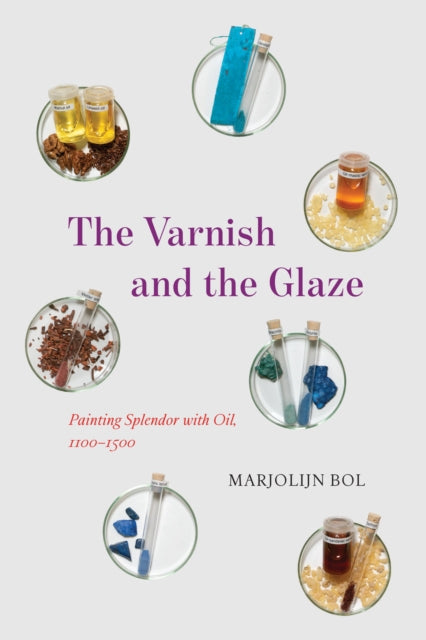
Description: A new history of the techniques materials and aesthetic ambitions that gave rise to the radiant verisimilitude of Jan van Eyck's oil paintings on panel. Panel painters in both the middle ages and the fifteenth century created works that evoke the luster of precious stones the sheen of polished gold and silver and the colorful radiance of stained glass. Yet their approaches to rendering these materials were markedly different. Marjolijn Bol explores some of the reasons behind this radical transformation by telling the history of the two oil painting techniques used to depict everything that glistens and glows varnish and glaze. For more than a century after his death the fifteenth - century painter Jan van Eyck was widely credited with inventing varnish and oil paint on account of his unique visual realism. Once this was revealed to be a myth the verisimilitude of his work was attributed instead to a new translucent painting technique: the glaze. Today most theories about how Van Eyck achieved this realism revolve around the idea that he was the first to discover or refine the glazing technique. Bol however argues that rather than being a fifteenth - century refinement varnishing and glazing began centuries before. Drawing from an extensive body of recipes Bol pieces together how varnishes and glazes were first developed as part of the medieval art of material mimesis. Artisans embellished metalwork and wood with varnishes and glazes to imitate gold and gems; infused rock crystal with oil resin and colorants to imitate more precious minerals; and oiled parchment to transform it into the appearance of green glass. Likewise medieval panel painters used varnishes and glazes to create the look of enamel silk and more. The explorations of materials and their optical properties by these artists stimulated natural philosophers to come up with theories about transparent and translucent materials produced by the earth. Natural historians influenced by medieval artists understanding of refraction and reflection developed theories about gems their creation and their optical qualities.
Title: The Varnish And The Glaze Painting Splendor With Oil 1100 1500
Author(s): Bol Marjolijn
Publisher: The University Of Chicago Press
Barcode: 9780226820361
Pages: 336 Pages, 80 Color Plates, 10 Halftones
Publication Date: 4/21/2023
Category: Oils
Description: A new history of the techniques materials and aesthetic ambitions that gave rise to the radiant verisimilitude of Jan van Eyck's oil paintings on panel. Panel painters in both the middle ages and the fifteenth century created works that evoke the luster of precious stones the sheen of polished gold and silver and the colorful radiance of stained glass. Yet their approaches to rendering these materials were markedly different. Marjolijn Bol explores some of the reasons behind this radical transformation by telling the history of the two oil painting techniques used to depict everything that glistens and glows varnish and glaze. For more than a century after his death the fifteenth - century painter Jan van Eyck was widely credited with inventing varnish and oil paint on account of his unique visual realism. Once this was revealed to be a myth the verisimilitude of his work was attributed instead to a new translucent painting technique: the glaze. Today most theories about how Van Eyck achieved this realism revolve around the idea that he was the first to discover or refine the glazing technique. Bol however argues that rather than being a fifteenth - century refinement varnishing and glazing began centuries before. Drawing from an extensive body of recipes Bol pieces together how varnishes and glazes were first developed as part of the medieval art of material mimesis. Artisans embellished metalwork and wood with varnishes and glazes to imitate gold and gems; infused rock crystal with oil resin and colorants to imitate more precious minerals; and oiled parchment to transform it into the appearance of green glass. Likewise medieval panel painters used varnishes and glazes to create the look of enamel silk and more. The explorations of materials and their optical properties by these artists stimulated natural philosophers to come up with theories about transparent and translucent materials produced by the earth. Natural historians influenced by medieval artists understanding of refraction and reflection developed theories about gems their creation and their optical qualities.
Title: The Varnish And The Glaze Painting Splendor With Oil 1100 1500
Author(s): Bol Marjolijn
Publisher: The University Of Chicago Press
Barcode: 9780226820361
Pages: 336 Pages, 80 Color Plates, 10 Halftones
Publication Date: 4/21/2023
Category: Oils