
Armstrong Philip (University Of Canterbury New Zealand.)
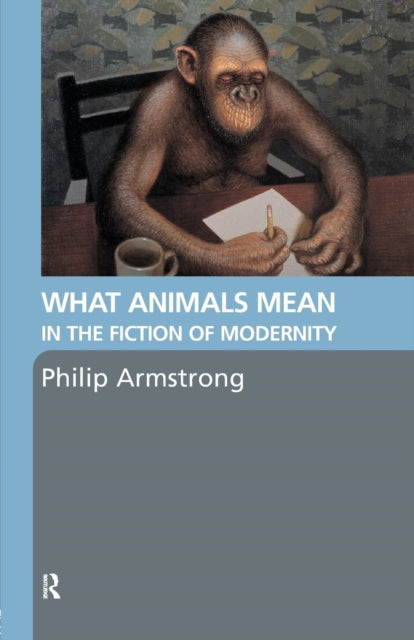
Armstrong Philip (University Of Canterbury New Zealand.) - What Animals Mean In The Fiction Of Modernity - Paperback
Armstrong Philip (University Of Canterbury New Zealand.) - What Animals Mean In The Fiction Of Modernity - Paperback
Books
Regular price
$56.61 USD
Regular price
Sale price
$56.61 USD
Unit price
per
Shipping calculated at checkout.
Couldn't load pickup availability
Binding: Paperback
Description: What Animals Mean in the Fiction of Modernity argues that nonhuman animals and stories about them have always been closely bound up with the conceptual and material work of modernity. In the first half of the book Philip Armstrong examines the function of animals and animal representations in four classic narratives: Robinson Crusoe Gulliver's Travels Frankenstein and Moby - Dick. He then goes on to explore how these stories have been re - worked in ways that reflect shifting social and environmental forces by later novelists including H. G. Wells Upton Sinclair D. H. Lawrence Ernest Hemingway Franz Kafka Brigid Brophy Bernard Malamud Timothy Findley Will Self Margaret Atwood Yann Martel and J. M. Coetzee. What Animals Mean in the Fiction of Modernity also introduces readers to new developments in the study of human - animal relations. It does so by attending both to the significance of animals to humans and to animals own purposes or designs; to what animals mean to us and to what they mean to do and how they mean to live.
Title: What Animals Mean In The Fiction Of Modernity
Author(s): Armstrong Philip (University Of Canterbury New Zealand.)
Publisher: Taylor & Francis Ltd
Barcode: 9780415358392
Pages: 264 Pages
Publication Date: 2/1/2008
Category: Cultural Studies
Description: What Animals Mean in the Fiction of Modernity argues that nonhuman animals and stories about them have always been closely bound up with the conceptual and material work of modernity. In the first half of the book Philip Armstrong examines the function of animals and animal representations in four classic narratives: Robinson Crusoe Gulliver's Travels Frankenstein and Moby - Dick. He then goes on to explore how these stories have been re - worked in ways that reflect shifting social and environmental forces by later novelists including H. G. Wells Upton Sinclair D. H. Lawrence Ernest Hemingway Franz Kafka Brigid Brophy Bernard Malamud Timothy Findley Will Self Margaret Atwood Yann Martel and J. M. Coetzee. What Animals Mean in the Fiction of Modernity also introduces readers to new developments in the study of human - animal relations. It does so by attending both to the significance of animals to humans and to animals own purposes or designs; to what animals mean to us and to what they mean to do and how they mean to live.
Title: What Animals Mean In The Fiction Of Modernity
Author(s): Armstrong Philip (University Of Canterbury New Zealand.)
Publisher: Taylor & Francis Ltd
Barcode: 9780415358392
Pages: 264 Pages
Publication Date: 2/1/2008
Category: Cultural Studies